
Major sins in Islam are grave transgressions that directly challenge the core principles of faith and moral conduct. Muslims across the UK and USA often ask: what are the major sins in Islam that could jeopardize their spiritual standing? Understanding these sins helps believers strengthen their relationship with Allah and live according to divine guidance.
The concept of major sins originates from the Islamic ethical framework, which divides wrongdoings into two categories. Minor sins can be forgiven through regular acts of worship, while major sins require sincere repentance and conscious effort to avoid repeating them. This distinction appears throughout Islamic jurisprudence and serves as a moral compass for millions.
For those seeking deeper knowledge, exploring a major sins in Islam book provides comprehensive insights into each transgression, its consequences, and the path to redemption. Such resources bridge classical scholarship with contemporary understanding, making Islamic teachings accessible to modern readers.
Why Understanding Major Sins Matters
Recognizing major sins in Islam shapes how believers navigate daily choices. When you understand what Allah forbids, you gain clarity about acceptable behavior versus actions that damage your faith. This knowledge acts as protection, preventing spiritual harm before it occurs.
Many Muslims feel confused about which sins carry the most weight. Some actions seem culturally influenced, while others appear universally condemned. Islamic teachings provide a clear framework that distinguishes between cultural practices and religious obligations. This distinction helps believers focus their energy on matters that truly affect their relationship with the Divine.
The Foundation: What Defines a Major Sin
Scholars identify major sins as transgressions explicitly condemned in the Qur’an or Hadith, often accompanied by warnings of severe punishment. The Prophet Muhammad (peace be upon him) warned his companions about these grave acts, emphasizing their destructive impact on both individual souls and communities.
According to classical Islamic jurisprudence, particularly within the Hanafi School, major sins carry specific characteristics. They involve deliberate violation of divine commands, demonstrate disregard for Allah’s authority, or cause significant harm to oneself or others. Understanding this definition helps Muslims evaluate their actions objectively.
Complete List of Major Sins in Islam
The list of sins in Islam traditionally includes 70 major transgressions, though scholars have identified varying numbers based on textual sources. Here are the most commonly cited major sins that every Muslim should recognize and actively avoid.
The Seven Destructive Sins
The Prophet (peace be upon him) specifically highlighted seven sins that destroy a person’s spiritual standing. These form the core of what every Muslim must avoid at all costs.
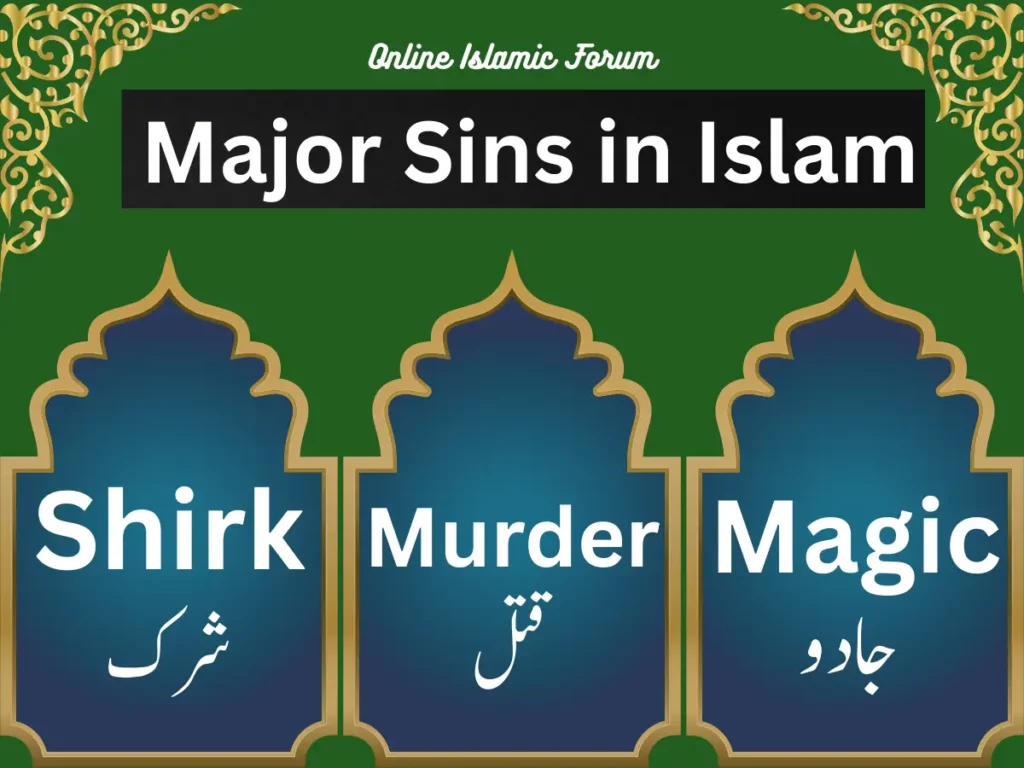
- Shirk (Associating partners with Allah): This represents the ultimate betrayal of monotheism, placing other beings or concepts on equal footing with the Creator. It nullifies all good deeds.
- Murder: Taking an innocent life without just cause constitutes one of the gravest injustices. Islam considers human life sacred and inviolable.
- Sorcery and Black Magic: Practicing magic involves seeking help from unseen forces besides Allah, often leading practitioners and victims toward spiritual destruction.
- Consuming Riba (Interest): Interest-based transactions exploit the vulnerable and create unjust economic systems that Islam fundamentally rejects.
- Consuming Orphan’s Wealth: Exploiting vulnerable children by stealing their inheritance demonstrates moral bankruptcy and attracts severe divine punishment.
- Fleeing from Battlefield: Deserting fellow Muslims during legitimate defensive warfare shows cowardice and betrays the community’s trust.
- Slandering Chaste Women: False accusations against innocent women destroy reputations, families, and social harmony, making this sin particularly heinous.
Additional Major Sins Muslims Must Avoid
Beyond the seven destructive sins, Islamic teachings identify numerous other major transgressions. Visit www.onlineislamicforum.com for detailed discussions about these sins and their rulings according to various schools of thought.
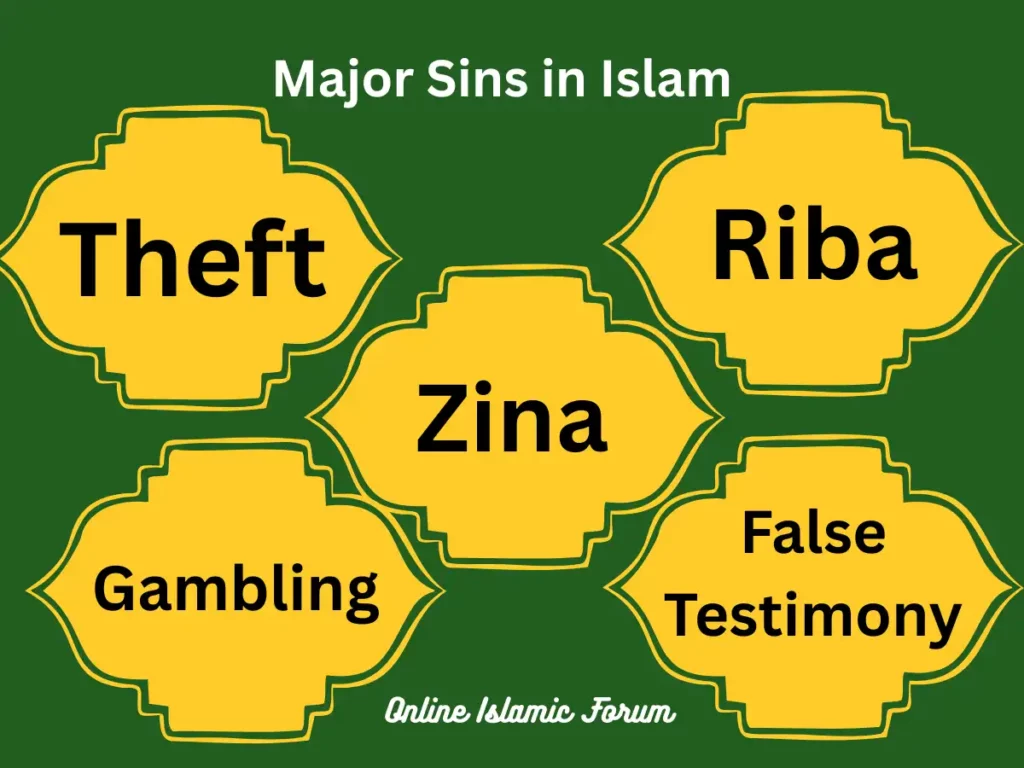
- Adultery and Fornication: Sexual relations outside marriage violate the sanctity of family and personal honor, leading to societal breakdown.
- Consuming Alcohol and Intoxicants: Substances that impair judgment disconnect people from mindfulness of Allah and open doors to other sins.
- Gambling: Games of chance create addiction, waste resources, and generate conflicts among participants, undermining community cohesion.
- False Testimony: Lying under oath perverts justice and can destroy innocent people’s lives, making it among the most despised acts.
- Disobedience to Parents: Islam places immense emphasis on respecting parents, and deliberate defiance without valid reason constitutes a major sin.
- Breaking Family Ties: Severing relationships with relatives contradicts Islamic values of kinship and community solidarity.
- Arrogance and Pride: Considering oneself superior to others reflects ingratitude toward Allah and disrespect toward His creation.
Qur’anic Evidence for Major Sins
The Qur’an addresses major sins directly, providing clear warnings and consequences. These verses guide believers toward righteous conduct while highlighting behaviors that invite divine displeasure.
Surah An-Nisa (4:31)
“If you avoid the major sins which you are forbidden, We will remove from you your lesser sins and admit you to a noble entrance [into Paradise].”
This verse promises forgiveness for minor transgressions when believers consciously avoid major sins. Read the full context at Quran.com – Surah An-Nisa 4:31.
Surah Al-Furqan (25:68-69)
“Those who do not invoke another deity with Allah, nor kill the soul which Allah has forbidden except with right, nor commit unlawful sexual intercourse. Whoever does that will face a penalty.”
This passage identifies three cardinal sins and warns of severe consequences. Explore the complete verse at Quran.com – Surah Al-Furqan 25:68-69.
Hadith References on Major Sins
The Prophet Muhammad (peace be upon him) provided detailed explanations about major sins through his sayings and actions. These hadiths offer practical guidance for avoiding destructive behaviors.
Sahih al-Bukhari 2766
The Prophet (peace be upon him) said: “Avoid the seven great destructive sins.” When asked what they were, he replied: “Associating partners with Allah, sorcery, killing a soul whom Allah has forbidden except by right, consuming riba, consuming orphan’s wealth, fleeing from battle, and slandering chaste women.”
This foundational hadith lists the most severe sins explicitly. Read the complete narration at Sunnah.com – Bukhari 2766.
Sahih Muslim 87a
The Messenger of Allah (peace be upon him) said: “Whoever kills a believer intentionally, his recompense is Hell to abide therein, and the Wrath and Curse of Allah are upon him, and a great punishment is prepared for him.”
This hadith emphasizes the severity of murder. Access the full text at Sunnah.com – Muslim 87a.
The Importance of Avoiding Major Sins
Staying away from major sins brings numerous spiritual and worldly benefits. When you consciously avoid these transgressions, you purify your heart and strengthen your connection with Allah. This vigilance transforms daily life into worship.
Communities benefit when members uphold Islamic moral standards. Societies built on justice, honesty, and compassion flourish, while those tolerating major sins face internal decay and external challenges. Your personal commitment to avoiding these sins contributes to collective wellbeing.
Benefits of Avoiding Major Sins
| Benefit | Description |
| Spiritual Peace | Avoiding major sins brings tranquility to your heart and mind, eliminating guilt and anxiety. |
| Divine Protection | Allah shields righteous believers from various trials and difficulties in life. |
| Social Harmony | Communities thrive when members respect boundaries, creating trust and cooperation. |
| Forgiveness of Minor Sins | As promised in Surah An-Nisa 4:31, avoiding major sins leads to forgiveness of lesser errors. |
| Paradise Entrance | Those who die without major unrepented sins receive the promise of entering Paradise. |
Practical Steps to Avoid Major Sins
Knowledge alone does not protect you from sin. Implementation requires conscious daily effort and strategic habit formation. Here are practical steps Muslims in the UK and USA can take to safeguard their faith.
Daily Habits Checklist
- Morning Remembrance: Begin each day with prayers and Qur’an recitation to establish spiritual awareness from the start.
- Mindful Company: Surround yourself with righteous friends who remind you of Allah and discourage sinful behavior.
- Environmental Control: Remove temptations from your living space and digital devices that might lead to major sins.
- Regular Self-Assessment: Reflect weekly on your actions, identifying areas where you came close to major sins.
- Immediate Repentance: When you slip toward a major sin, turn to Allah instantly rather than delaying or rationalizing.
Hanafi Fiqh Resources on Major Sins
For those following the Hanafi School of jurisprudence, several classical texts provide detailed rulings on major sins. These books, commonly available in Islamic libraries and archives, offer scholarly perspectives on the identification and avoidance of grave transgressions.
- Al-Kabair by Imam al-Dhahabi – Comprehensive treatise listing and explaining major sins with supporting evidence.
- Hidayah by Burhan al-Din al-Marghinani – Classic Hanafi fiqh text with sections on prohibited actions and their consequences.
- Al-Fatawa al-Hindiyyah – Encyclopedic compilation addressing various sins and their legal rulings in Hanafi jurisprudence.
- Radd al-Muhtar by Ibn Abidin – Advanced commentary exploring complex issues surrounding major sins and repentance.
- Tabayyun al-Haqa’iq by al-Zayla’i – Detailed legal discussion of forbidden acts with references to source texts.
These texts serve as authoritative references for understanding Islamic law’s position on major sins. Students of knowledge benefit from studying them under qualified scholars who can explain nuances and applications to contemporary situations.
The Path to Repentance from Major Sins
Islam offers hope even to those who have committed major sins in Islam. Sincere repentance (tawbah) opens the door to divine mercy, regardless of how severe the transgression. Allah’s mercy surpasses His wrath, and He loves those who turn back to Him.
Authentic repentance requires five elements. First, immediately stop the sinful behavior. Second, feel genuine remorse for what you have done. Third, firmly resolve never to return to that sin. Fourth, if the sin violated someone’s rights, make restitution or seek their forgiveness. Fifth, perform good deeds to counterbalance the evil.
The window for repentance remains open until your final breath or until the sun rises from the west as a major sign of the Day of Judgment. This extended opportunity demonstrates Allah’s infinite patience with His servants who genuinely seek to reform themselves.
Frequently Asked Questions
What qualifies as a major sin in Islam?
A major sin is any transgression explicitly condemned in the Qur’an or Hadith with warnings of severe punishment, such as shirk, murder, adultery, or consuming riba.
How many major sins are there in Islam?
Scholars traditionally identify 70 major sins, though the exact number varies based on textual interpretations and the specific criteria used to classify sins.
Can major sins be forgiven in Islam?
Yes, all major sins except shirk can be forgiven through sincere repentance, which includes stopping the sin, feeling remorse, and resolving never to repeat it.
What are the seven destructive sins mentioned by the Prophet?
The seven are shirk, sorcery, murder, consuming riba, consuming an orphan’s wealth, fleeing from battle, and slandering chaste women, as mentioned in Sahih al-Bukhari.
Where can I learn more about avoiding major sins?
Consult authentic Islamic resources like Online Islamic Forum, study Hanafi fiqh texts, and seek guidance from qualified scholars who understand contemporary contexts.
Conclusion: Living with Awareness
Understanding major sins in Islam empowers you to navigate life with clarity and purpose. When you know what Allah forbids, you can make conscious choices that protect your faith and bring you closer to Paradise. This knowledge is not meant to instill fear but to inspire vigilance and hope.
Remember that every moment offers a fresh opportunity to turn toward righteousness. Whether you have committed major sins in the past or fear falling into them in the future, Allah’s door of mercy remains open. Take practical steps today to build spiritual strength, surround yourself with positive influences, and maintain regular connection with Islamic teachings.
Your journey toward avoiding major sins begins with intention and continues through daily commitment. May Allah guide us all to recognize, avoid, and repent from all major sins, and may He grant us entrance to Paradise through His infinite mercy.
Recommended For You
- Read Full Surah Inshirah English Translation
- Read Full Surah Duha English Translation
- Read Full Surah Tin English Translation
- Surah An Nas Transliteration and Ruqya
- Surah Al Falaq Transliteration , Benefits and Ruqyah
- Surah Al Fatiha Transliteration, Importance and Ruqya
- Surah Al Masad Transliteration, Importance and Ruqya
- Full Read Surah Adiyat English Translation