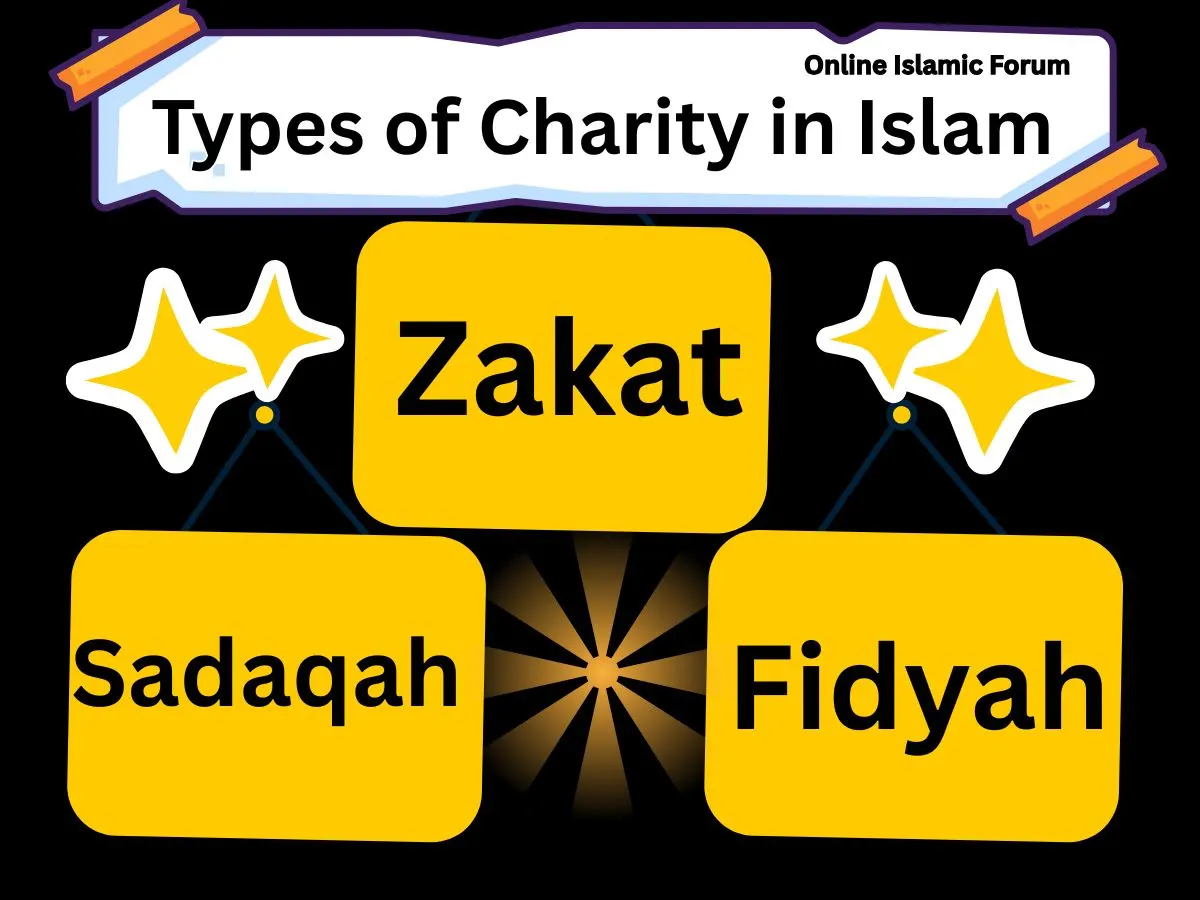

In Islamic tradition, charity holds a profound and central place in both spiritual practice and community life. While all acts of giving are valued, there exists a special category of charity known as Sadaqah Jariyah (صدقة جارية) — literally meaning “continuous charity” or “flowing charity.” This concept represents one of the most beautiful and enduring principles in Islamic philanthropy.
Unlike regular charity (sadaqah) which provides immediate, one-time benefit, Sadaqah Jariyah refers to charitable acts whose rewards continue to flow long after the initial deed is done — even after the donor has passed away. This creates a perpetual cycle of benefit that touches lives across generations.
The foundation for this concept comes from a well-known hadith in which Prophet Muhammad (peace be upon him) said: “When a person dies, all their deeds come to an end except three: ongoing charity (Sadaqah Jariyah), beneficial knowledge, or a righteous child who prays for them.” (Sahih Muslim)
Examples of Sadaqah Jariyah include building wells, schools, or mosques; planting trees; teaching beneficial knowledge; endowing books or educational resources; and establishing waqf (endowments) that continue to serve the community.
This form of charity is considered not just an act of generosity, but an investment in both this life and the hereafter — a gift that keeps on giving, benefiting countless individuals while earning continuous rewards for the giver long after their time on earth has ended.
Many Muslims wonder how they can leave behind something that benefits others even after they pass away. This is where A Continuous Charity comes in. It is a beautiful way to ensure that your good deeds continue to grow, even when your life in this world has ended.
Find inspiring Islamic books on Amazon (amazon.com in Bing)
Why Continuous Charity Matters
The Prophet Peace be upon him taught us that when a person dies, their deeds stop—except for three things: ongoing charity, beneficial knowledge, and a righteous child who prays for them. This shows how powerful sadaqah can be when it is continuous.
For example, building a well, supporting education, or helping students with loans are all forms of ongoing charity. They keep benefiting people long after the donor is gone.
Can You Give Sadaqah on Behalf of the Deceased?
Yes, you can. Scholars agree that giving sadaqah on behalf of someone who has passed away is allowed and beneficial. It is a way to honor their memory and help them gain rewards in the Hereafter.
Many families donate to charities that help with student loans or build schools in the name of their loved ones. This combines sadaqah with education, creating a lasting impact.
Benefits of Continuous Charity
- Rewards never stop – Every time someone benefits, the donor gains reward.
- Helps the community – It supports education, healthcare, and basic needs.
- Brings peace to families – Knowing their loved one is remembered through sadaqah.
- Strengthens faith – It reminds us of our responsibility to help others.
Qur’an References
Surah Al-Baqarah (2:261)
“The example of those who spend their wealth in the way of Allah is like a seed of grain which grows seven ears, in every ear a hundred grains.”
Read on Quran.com
Surah Al-Imran (3:92)
“You will never attain righteousness until you spend from what you love. And whatever you spend, Allah knows it well.”
Read on Quran.com
Hadith References
Sahih al-Bukhari (Hadith 1383)
“When a man dies, his deeds come to an end except for three: ongoing charity, knowledge that benefits, or a righteous child who prays for him.”
Read this hadith on Sunnah.com (sunnah.com in Bing)
Sahih Muslim (Hadith 1631)
“Charity given on behalf of the deceased benefits them, and its reward reaches them.”
Explore this hadith on Sunnah.com (sunnah.com in Bing)
Practical Ways to Give Continuous Charity
- Support education – Donate to charities that help with student loans.
- Build wells or water projects – Clean water saves lives.
- Sponsor orphans – Their care is a great sadaqah.
- Fund Islamic learning – Support schools, libraries, or online platforms.
- Plant trees – They provide shade, fruit, and oxygen.
Table: Suitable Forms of Continuous Charity
Hanafi Fiqh Book Titles
- Al-Hidayah by Burhan al-Din al-Marghinani
- Fath al-Qadir by Ibn al-Humam
- Al-Mabsut by al-Sarakhsi
- Bada’i al-Sana’i by al-Kasani
- Mukhtasar al-Quduri by Imam al-Quduri
External Resources
- Charity (Wikipedia)
- Islamic Charity (Britannica) (britannica.com in Bing)
- Islamic Relief UK
- About Islam – Sadaqah
You can also explore discussions at Online Islamic Forum for community insights.
FAQ Section
What is continuous charity?
It is sadaqah that keeps benefiting people long after it is given, like wells, schools, or trees.
Can I give sadaqah on behalf of my parents?
Yes, you can. The reward reaches them, and it is a way to honor their memory.
Are student loan charities considered sadaqah?
Yes, helping students with education is sadaqah, and if it continues to benefit, it becomes ongoing charity.
What is the difference between sadaqah and zakat?
Zakat is obligatory with fixed rules, while sadaqah is voluntary and can be given anytime.
Which sadaqah is best for the deceased?
Any sadaqah that benefits people continuously, such as wells, schools, or supporting orphans.
Conclusion
A Continuous Charity is one of the most powerful ways to keep earning rewards even after death. Whether through sadaqah on behalf of the deceased, supporting charities that help with student loans, or building projects that serve communities, the impact is lasting.
By following the Qur’an and Hadith, Muslims can ensure their legacy continues in the form of good deeds. Start small, but aim for sadaqah that never stops giving. This is the true meaning of leaving behind a gift that lives forever.
Recommended For You
- Read Full Surah Inshirah English Translation
- Read Full Surah Duha English Translation
- Read Full Surah Tin English Translation
- Surah An Nas Transliteration and Ruqya
- Surah Al Falaq Transliteration , Benefits and Ruqyah
- Surah Al Fatiha Transliteration, Importance and Ruqya
- Surah Al Masad Transliteration, Importance and Ruqya
- Full Read Surah Adiyat English Translation