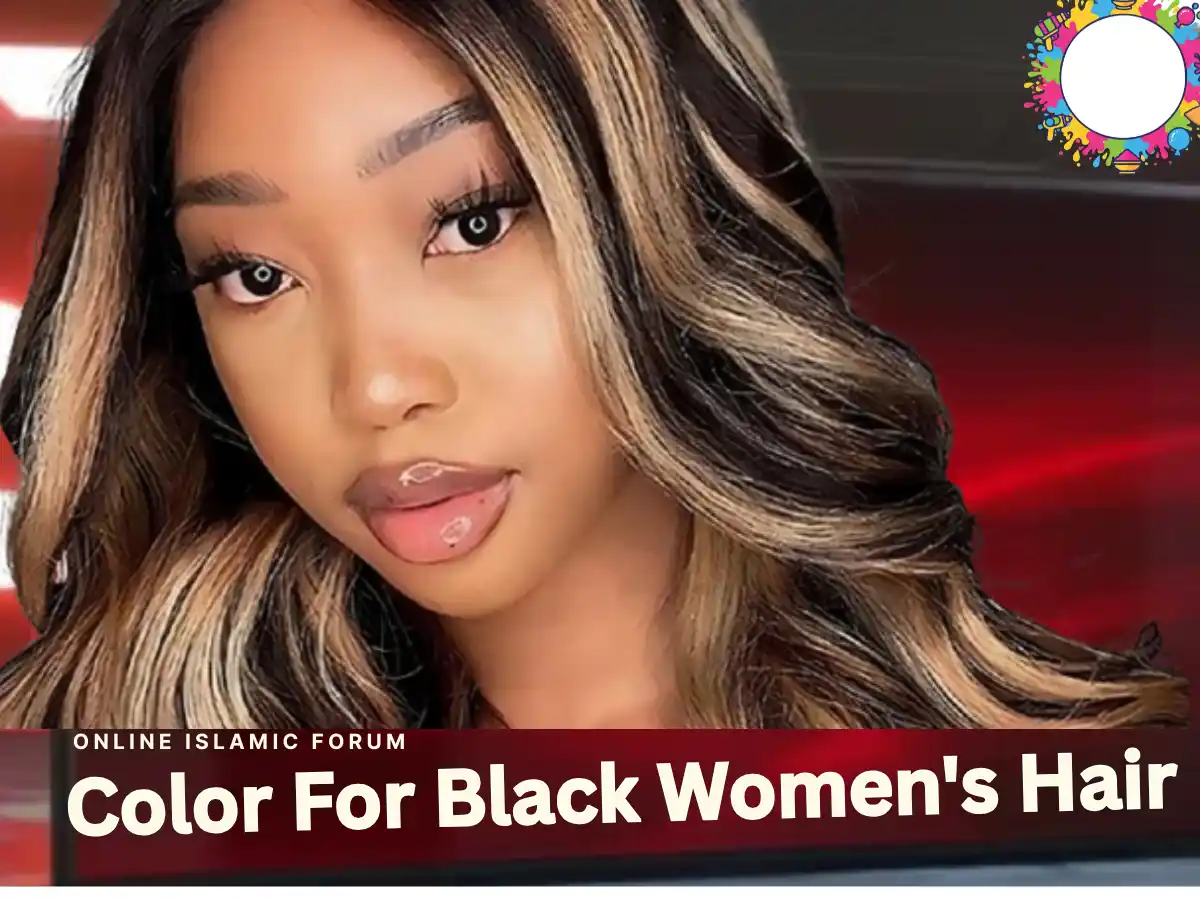

Color for Black Women’s Hair is one of the most searched beauty topics today — and for Muslim women, it carries an extra layer of meaning. The question is not just about style. It is about what Islam permits, what the scholars say, and how a woman can care for her appearance while staying true to her faith.
This guide walks you through everything: the Islamic ruling, the best color options, what the Qur’an and Hadith teach us, and practical tips that actually work.
Want to go deeper into Islamic beauty jurisprudence? One useful resource is The Lawful and the Prohibited in Islam by Yusuf al-Qaradawi — widely available in libraries and Islamic bookshops.
Introduction: The Problem Many Muslim Women Face
Many Muslim women love their hair. They want it healthy, vibrant, and beautiful. Yet when they Google “color for Black women’s hair,” most results come from a purely secular space. There is almost no guidance that bridges Islamic law with modern hair care.
This creates real confusion. Can I dye my hair? Which colors are halal? Is human hair color from extensions allowed? These are honest questions. And they deserve honest, grounded answers.
Why Hair Color Matters in Islam
Islam is a complete way of life. It gives guidance on food, dress, marriage — and yes, personal grooming. The Prophet ﷺ encouraged cleanliness and beautification. He also set clear boundaries.
For Muslim women, hair is a private adornment. It is shown to the husband, close family (mahram), and other women. Within those boundaries, a woman has wide freedom to beautify herself. That includes coloring her hair.
Color for Black Women’s Hair: Islamic Permissibility
Now, let us be direct. Color for Black Women’s Hair follows the same Islamic rules as for any Muslim woman. The skin tone does not change the ruling. What matters is the color itself and the ingredients.
What Is Permitted
- Henna (Mehndi): Strongly recommended. Natural, beautifying, and connected to the Sunnah.
- Auburn, dark brown, burgundy, chestnut: All permissible.
- Semi-permanent dyes: Permissible if halal-certified or alcohol-free.
- Highlights in natural tones: Permissible in private settings (for husband, family).
What Is Not Permitted
- Pure jet black dye: Forbidden based on the Hadith above.
- Human hair color extensions: Adding real human hair is impermissible in most scholarly opinions.
- Dyes with haram ingredients: Alcohol-based dyes require caution; some scholars permit if transformed (istihalah).
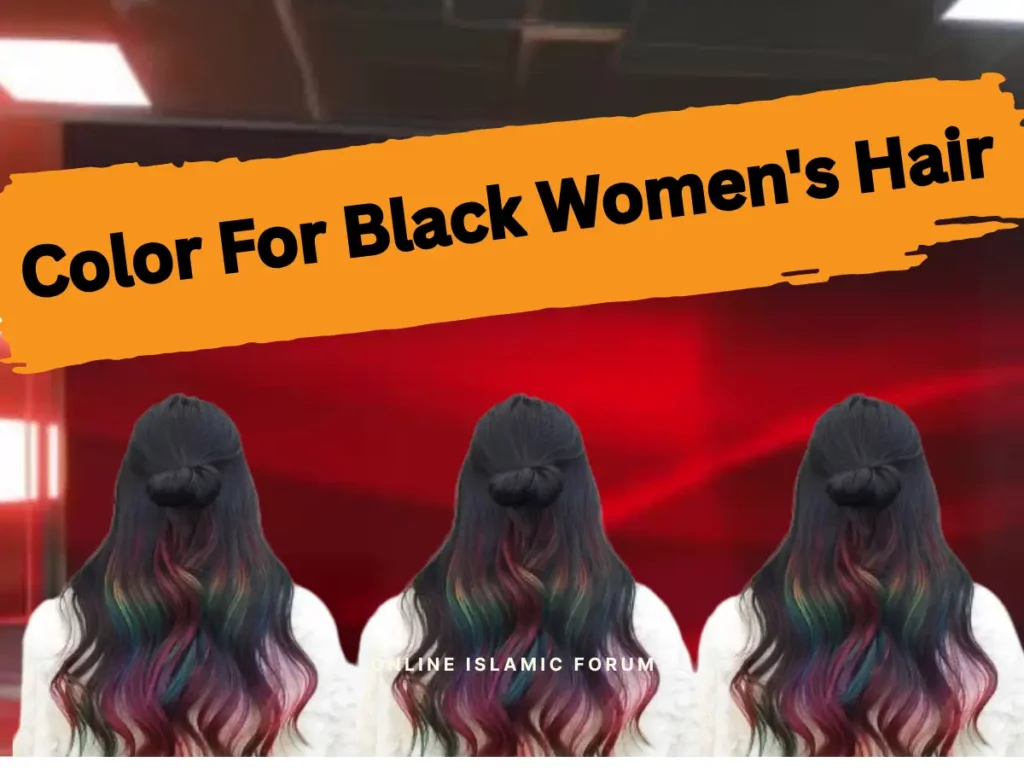
Human Hair Color: A Special Discussion
The term human hair color often refers to pre-colored or pre-dyed human hair extensions and wigs. This is a separate matter from dyeing your own hair.
Adding human hair — colored or otherwise — to one’s natural hair is considered impermissible by the majority of classical scholars, including Hanafi authorities. The Prophet ﷺ cursed the one who adds hair and the one who requests it, according to a narration in Sahih al-Bukhari.
Synthetic hair extensions are a matter of scholarly difference. Some Hanafi scholars permit them if there is a legitimate need and no deception involved. You can explore this topic further at IslamQA.org’s detailed fatwa section.
The Moment Color Blew Me Away
There is a personal dimension to this topic that many sisters share. The first time henna color blew me away — literally — was the deep, rich auburn it gave to dark black hair. Natural henna on naturally black South Asian or African hair produces a warm red-brown that no salon dye quite matches.
If you have not tried pure henna on black hair, you may be surprised. In sunlight, the color shifts from dark brown to copper-red. It conditions, strengthens, and beautifies — all at once. It is the closest thing to a beauty miracle that the Sunnah preserved for us.
Hanafi Fiqh: Recommended Reference Books
The following classical and contemporary Hanafi books address hair care, dyeing, and adornment in detail. Look for them in Islamic libraries, PDF archives, or academic collections:
- Radd al-Muhtar ala al-Durr al-Mukhtar — Ibn Abidin (detailed rulings on adornment and beautification)
- Al-Fatawa al-Hindiyya (Fatawa Alamgiri) — compiled by Hanafi scholars of the Mughal era
- Tuhfat al-Fuqaha — Imam al-Samarqandi (foundational Hanafi jurisprudence)
- Al-Ikhtiyar li-Taʿlil al-Mukhtar — Imam al-Mawsili
- Fiqh al-Ibadat wal-Muamalat — modern Hanafi compilation on personal and family law
Practical Tips: Halal Hair Coloring for Black Hair
Here are some simple steps every Muslim woman can follow:
Before you buy any dye:
- Check the ingredient list for alcohol (ethanol), animal-derived ingredients, or forbidden additives.
- Look for halal-certified cosmetics brands.
- Natural, plant-based options are always safer.
Best natural options for Black women:
- Henna + indigo: Produces a natural black-brown. Two-step process. Safe and Sunnah-aligned.
- Cassia obovata: Adds shine and gold tones to dark hair.
- Coffee and black tea rinses: Deepen and enrich dark tones naturally.
Spiritual intention matters:
- Beautify yourself for your spouse, for health, or for self-care — not for imitation of haram trends.
- Avoid colors that mimic non-Islamic fashion movements.
External Resources for Further Reading
- 🌐 Wikipedia: Henna — history, composition, and cultural significance
- 📚 Britannica: Hair Dye — chemistry and historical use
- 🕌 About Islam: Is It Permissible to Dye Hair in Islam?
Community Discussions and Islamic Forums
If you want to explore more opinions or read real experiences from Muslim sisters around the world, visit www.onlineislamicforum.com — a respected space for Islamic Q&A and community discussion. Many sisters have shared personal experiences there about halal hair care, dyeing, and natural beauty routines. It is a good starting point for honest conversation.
Conclusion:
Color for Black Women’s Hair is not just a beauty trend. For Muslim women, it is a space where faith, identity, and self-care meet. Islam does not ask you to look dull or neglect yourself. It asks you to be beautiful — wisely, intentionally, and within clear limits.
Use henna. Explore halal-certified products. Avoid pure black. Check your ingredients. And remember: every time you take care of yourself with halal means, you are living the Sunnah.
You deserve to feel beautiful — and to feel at peace with your faith at the same time. That is not a contradiction. That is Islam. For deeper Islamic discussions, visit onlineislamicforum.com — a trusted community for Muslim questions and answers.
FAQ Section
What colors are halal for Muslim women’s hair?
Most colors are permitted — brown, auburn, burgundy, red, and highlights in natural tones. Pure jet black is the exception based on authentic Hadith. Always check ingredients.
Can Black women use henna on their natural hair?
Yes, absolutely. Henna works beautifully on black hair, giving warm copper-brown tones. It is natural, Sunnah-based, and safe for all hair types.
Is it halal to color hair with permanent dye?
It is permissible with caution. Avoid pure black dye, check for haram ingredients like alcohol, and ensure nothing creates a barrier to ritual washing (wudu).
Are human hair extensions with color allowed in Islam?
No. Adding real human hair to your own is impermissible in the majority scholarly opinion. Synthetic options are debated; consult a trusted scholar for your situation.
Does Islam allow coloring hair for self-confidence?
Yes, within limits. Islam encourages self-care and beautification. Coloring your hair to feel confident and cared-for — especially for your spouse — is a positive intention.
Recommended For You:
- Can A Muslim Marry A Christian?
- Can I Divorce My Wife For Not Sleeping With Me?
- Can I Kiss My Wife’s Private Parts in Christianity?
- A Continuous Charity: A Lasting Gift of Sadaqah
- Meaning 786 in Islam: Origins, Importance, and Guidance
- Allah Doesn’t Burden A Soul Beyond That It Can Bear
- Adoption in Islam: Muslim Needs to Know
- Tattoos Are Haram: The Islamic Perspective
- Major Sins in Islam