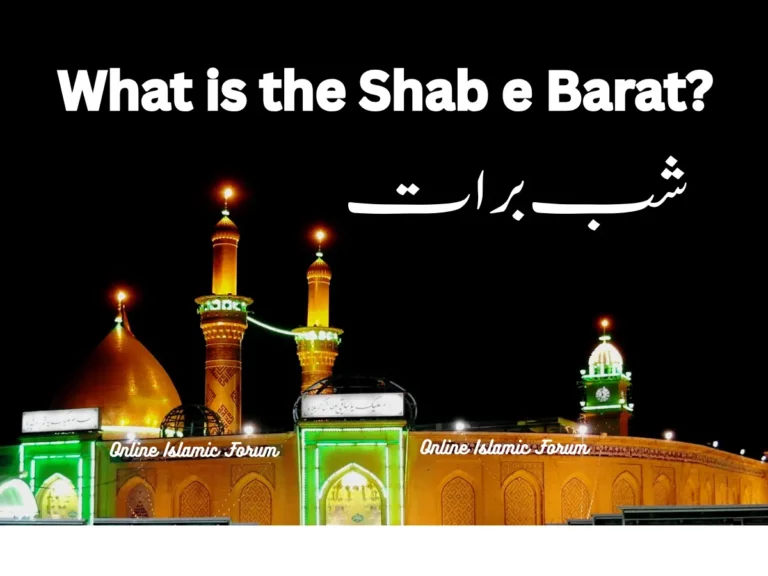

Shab e Barat (the 15th night of Sha’ban) holds significant importance in Islam as a blessed night when Allah Almighty grants forgiveness to His creation and decrees provisions and lifespans for the coming year. This sacred night is commonly known as the Night of Forgiveness, during which Muslims engage in special acts of worship, including prayers, remembrance of Allah, and supplications. While there are varying opinions among different Islamic schools of thought regarding its significance, Muslims generally observe this night through devoted worship, considering it the night when destinies for the entire year are determined. In this article, we will read about Shab e Barat: The Night of Mercy in Islam.
Meaning and Significance of Shab e Barat:
Shab e Barat literally translates to “Night of Salvation” or “Night of Freedom from Sins,” where the Arabic word “Bara’at” means salvation or deliverance. This blessed occasion falls on the 15th night of the Islamic month of Sha’ban, during which Allah examines the conditions of people, forgives their sins, and writes their destinies. According to Islamic traditions, approximately ten companions of the Prophet Muhammad (peace be upon him) have narrated hadiths emphasizing the virtues and importance of this special night.
The term Lailatul Barat is another name for this blessed night, particularly used in Arabic-speaking Muslim communities. Many scholars throughout Islamic history have recognized it as a magnificent night when divine mercy descends, and believers receive opportunities for forgiveness and spiritual renewal.
Religious Status in Islam:
According to onlineislamicforum.com and various Islamic scholars, Lailatul Barat carries immense spiritual value in the Muslim faith. Numerous scholars consider it a great night when Allah’s blessings and mercy shower upon His servants, offering them a precious chance for redemption. During this night, Muslims perform special voluntary prayers (nawafil), recite the Holy Quran extensively, engage in remembrance of Allah (dhikr), and make heartfelt supplications seeking forgiveness and guidance.
However, there exists some difference of opinion among various Islamic schools regarding the specific virtues and prescribed practices for Shab e Barat. While some communities attach great importance to this night and observe it with elaborate rituals, others emphasize general acts of worship rather than specific ceremonies. Despite these variations, the fundamental concept of seeking Allah’s mercy and forgiveness remains universal among believers who observe this night.
Common Practices and Observances:
Muslims worldwide observe various acts of worship and customs during Shab-e-Barat. Devoted believers stay awake throughout the night performing prayers and worshipping Allah (known as Qiyam al-Layl or night vigil). Many households, particularly in South Asian countries, illuminate their homes with lights and lamps as a symbol of spiritual enlightenment and celebration.
Special foods and sweets are prepared and distributed among family members, neighbors, and the less fortunate as acts of charity and community bonding. Visiting graveyards to recite prayers for deceased relatives (Fatiha Khwani) is another common practice, reflecting remembrance of mortality and praying for departed souls. Additionally, Muslims increase their charitable activities by giving alms (sadaqah) and supporting those in need, embodying the spirit of compassion that Lailatul Barat represents.
The night serves as a spiritual checkpoint where believers reflect on their past actions, seek repentance for their shortcomings, and renew their commitment to righteous living. Many Muslims spend time in mosques participating in congregational prayers and listening to sermons about the significance of this blessed occasion.
Conclusion:
In summary, Shab e Barat represents a blessed night of forgiveness and divine mercy in Islam, observed on the 15th night of Sha’ban. During this sacred occasion known as Lailatul Barat, Muslims seek Allah’s pardon through intensive worship, prayers, Quranic recitation, and charitable deeds. While scholarly debates exist regarding specific practices and the extent of their religious significance, the essence remains universal—a night dedicated to spiritual purification, seeking forgiveness, and renewing faith. Whether through night-long prayers, acts of charity, or remembering the departed, Muslims embrace this opportunity to draw closer to Allah and prepare spiritually for the upcoming blessed month of Ramadan.
FAQs:
Q: What is Shab e Barat?
A: It is the 15th night of Sha’ban when Allah forgives sins and determines destinies for the coming year.
Q: What does Lailatul Barat mean?
A: It means “Night of Salvation” or “Night of Freedom” in Arabic, referring to liberation from sins.
Q: When does Shab e Barat occur?
A: It occurs on the 15th night of the Islamic month of Sha’ban, before Ramadan.
Q: What acts of worship are recommended on this night?
A: Voluntary prayers, Quran recitation, dhikr (remembrance of Allah), supplications, and giving charity are recommended.
Q: Is there a scholarly consensus on Shab e Barat?
A: While many scholars recognize its significance, different Islamic schools have varying opinions on specific practices and rituals.
Q: Why do people visit graveyards on this night?
A: To pray for deceased relatives and remember mortality while seeking forgiveness for the departed souls.
Q: What makes this night special according to Islamic tradition?
A: It is believed that Allah reviews people’s deeds, grants forgiveness, and writes destinies during this blessed night.
Dear brothers and sisters,
“Seeking to deepen your understanding of Islam? Join our inclusive Islamic Forum—a supportive space to explore faith, ask questions, and grow spiritually alongside fellow believers.”
- What is the Shab e Barat?
- Does Inhaler Break Your Fast?
- Is Fasting Good For Your Liver
- Can You Kiss During Ramadan?
- Can You Vape During Ramadan?
- Can You Smoke During Ramadan?
- Can I Masturbate During Ramadan?
- Can you drink coffee during Ramadan?
- Can You Hug Your Wife While Fasting?
- Intercourse During The Day in Ramadan
- How To Stay Hydrated During Ramadan?
- Can Vomiting Break Your Fast? In Islam
- Does Listening To Songs Break Your Fast?
- Can You Have Intercourse During Ramadan
- Can We Touch Private Parts During Fasting?
- Can you Hug Your Boyfriend During Ramadan?
- Can You Drink Water While Fasting in Ramadan?
- Can You Do Intermittent Fasting While Pregnant?
- Secret sin: Ramadan Rules For Unmarried Couples
- Can You Brush Your Teeth While Fasting in Islam?
- Can I Fast If I Make Ghusl After Fajr? in Ramadan
- Fast Of 27 Rajab in Islam